
 By Kilam
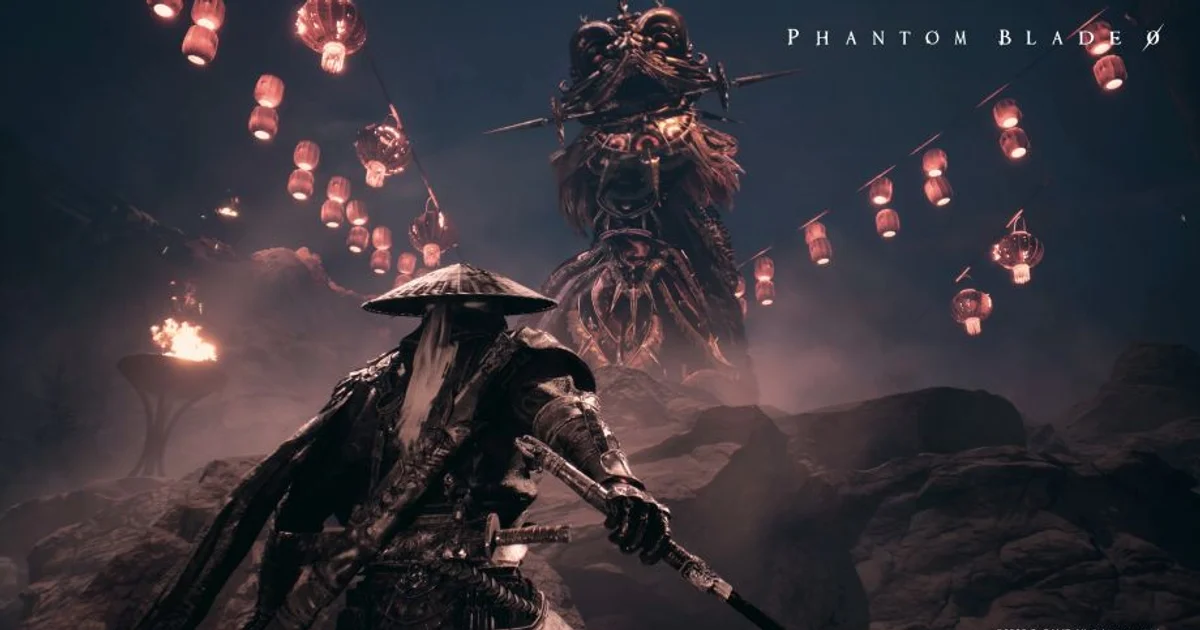
The hardware requirements for Phantom Blade Zero illustrate how dramatically rendering costs can change between conventional graphics settings and advanced ray-traced lighting.
S-GAME's Unreal Engine 5 action RPG includes four official PC configurations: minimum, recommended, ray tracing and path tracing.
The developer's performance figures should be understood as targets rather than independently measured benchmarks.
Minimum and recommended PC specifications
The minimum configuration specifies an Intel Core i7-8700K or AMD Ryzen 5 3600, paired with 16GB RAM and either a GeForce GTX 1660 6GB or Radeon RX 5500 XT 8GB.
The published target is 1080p at 30fps with upscaling enabled.
The recommended configuration moves to an Intel Core i5-10600K or Ryzen 5 5600X, accompanied by a GeForce RTX 3060 Ti 8GB or Radeon RX 6700 XT 12GB.
That profile targets 1440p at 60fps with upscaling.
Both configurations require Windows 10 or 11, DirectX 12, 16GB of system memory and an SSD.
Ray tracing and path tracing significantly raise the GPU requirements
S-GAME recommends a GeForce RTX 5060 8GB for its ray tracing profile, targeting 1080p at 60fps with upscaling enabled.
The most demanding listed profile uses a GeForce RTX 5080 16GB and targets 2160p at 60fps with path tracing enabled.
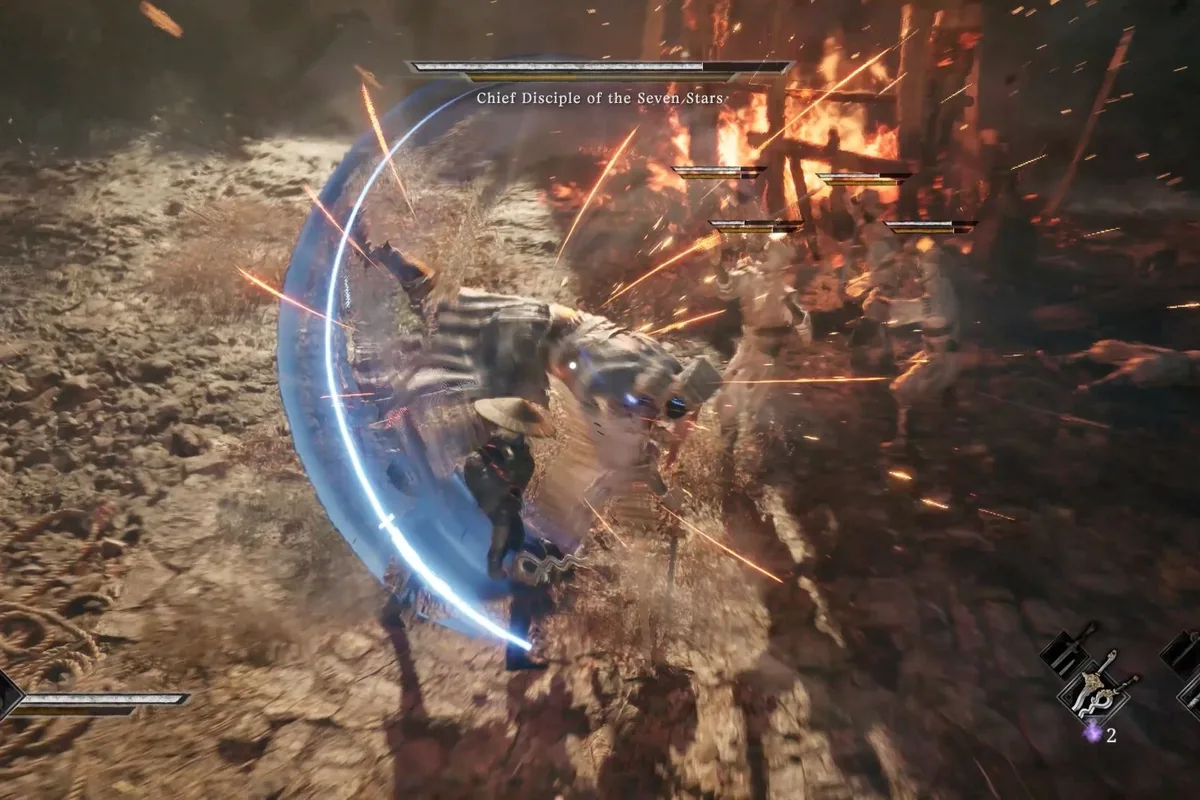
Path tracing involves a broader simulation of light transport than selectively applying ray tracing to individual rendering effects. It consequently places substantially different demands on GPU resources.
The announced targets do not establish which graphics settings are used for every test scene or how consistently the game maintains its nominal frame rate.
Why upscaling matters
Every official configuration includes upscaling. The stated output resolutions should therefore not be interpreted as evidence that all pixels are rendered internally at native resolution.
This distinction becomes particularly important for 4K path tracing. Reconstruction can substantially reduce rendering workload, but its quality depends on the implementation and selected configuration.
The studio has not provided a complete breakdown of internal resolutions or reconstruction settings associated with each hardware profile.
Actual performance will also depend on scene complexity, CPU limitations and the consistency of frame delivery.
Visual upgrades before release
S-GAME delayed Phantom Blade Zero from September to October to complete further character and environmental refinements.
Creative director Soulframe Liang specifically highlighted the importance of maintaining visual quality even without ray tracing.
That is relevant to mainstream PC configurations, which may not have sufficient GPU resources for the advanced rendering profiles.
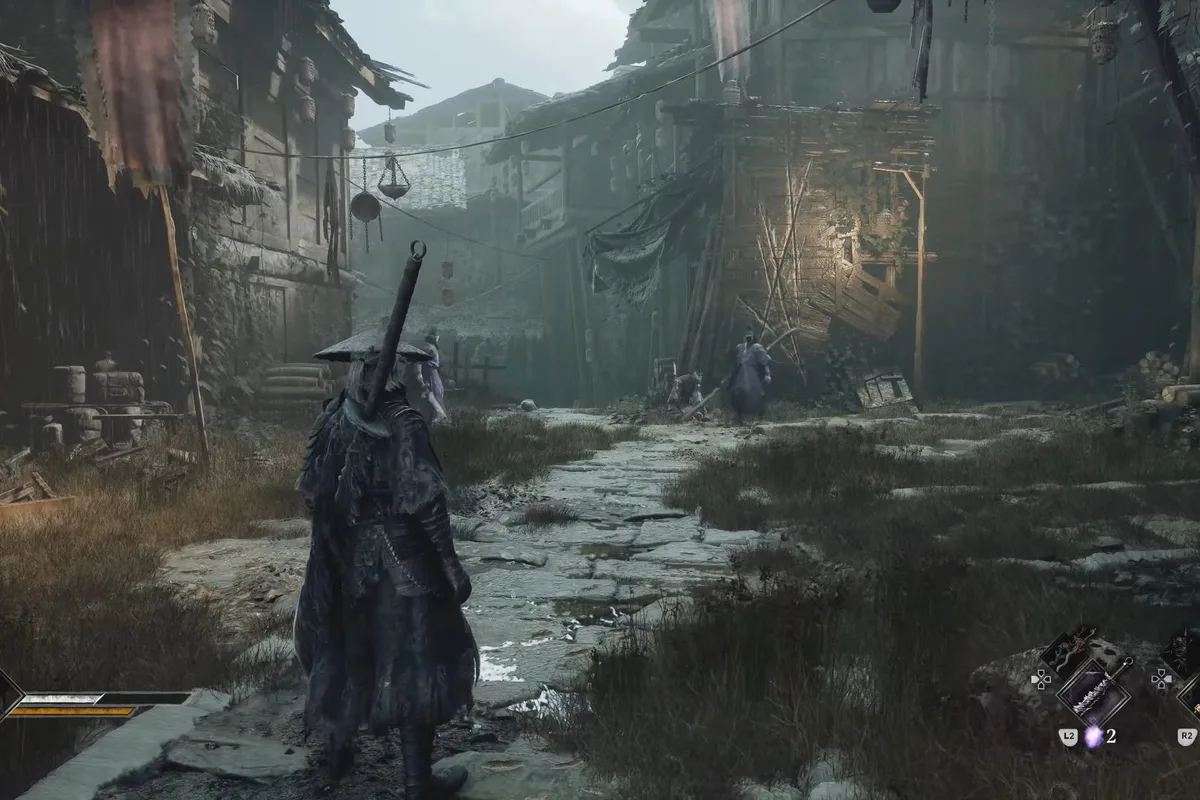
The game's environments combine atmospheric effects, detailed character models and complex combat animations. Promotional footage illustrates the artistic direction, but it cannot replace controlled performance measurements.
PS5 Pro support and final platform details
PlayStation lists Phantom Blade Zero as PS5 Pro Enhanced and confirms support for DualSense vibration and adaptive trigger effects.
The official store information does not establish a complete set of resolution or frame-rate comparisons between standard PS5 and PS5 Pro.
The game also advertises Tempest 3D AudioTech support for spatial audio presentation.
Phantom Blade Zero launches digitally on October 29, 2026. Physical PS5 editions are planned for 2027, including an Ultimate Edition with a collectible steel case.
The important post-launch technical questions will concern frame pacing, upscaling quality, ray tracing performance and the differences between console rendering modes.