
 By Kilam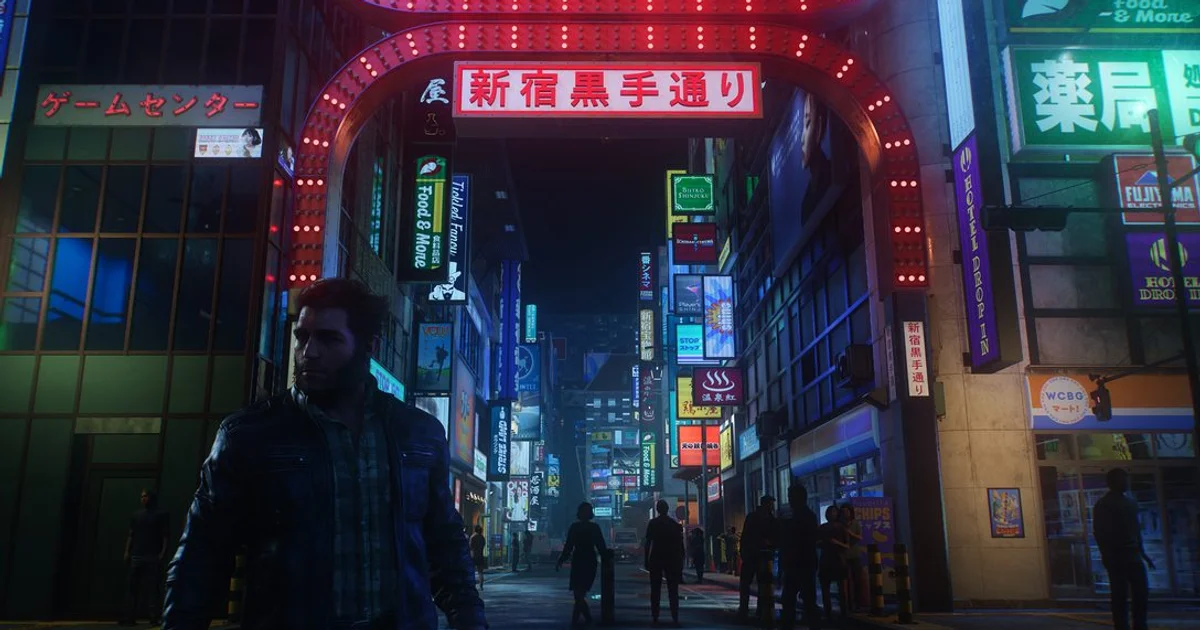
PS5 Pro introduced PlayStation Spectral Super Resolution as an answer to a familiar problem in modern graphics rendering: delivering detailed images without spending all available processing power calculating every output pixel.
PSSR uses a neural network to reconstruct a high-resolution image from information rendered at a lower internal resolution. The result depends on the quality of the reconstruction algorithm and how efficiently the required calculations can be performed.
That computational requirement initially prevented the technology from operating on the standard PS5. Sony explicitly acknowledged that the existing approach was too demanding for the original console.
QSSR changes the balance between image quality and processing cost.
Two Optimizations Make AI Upscaling Practical
Sony describes Quick Spectral Super Resolution as a new performance tier within its image reconstruction technology.
Its implementation relies on two officially identified changes: a streamlined neural network architecture and a carefully optimized implementation targeting the standard PlayStation 5.
Reducing neural network complexity can lower the computational workload. In real-time graphics, that compromise matters because every processing task must fit within the time available to produce each frame.
Implementation optimization addresses the same constraint from another direction. The challenge is not simply creating a smaller model, but executing it efficiently on the intended hardware.
Sony's announcement does not disclose the network's parameter count, detailed operations or exact processing cost in milliseconds. Those characteristics should not be presented as confirmed specifications without additional technical evidence.
Temporal Stability Matters as Much as Sharpness
Upscaling discussions often focus on resolution. Yet an image that appears detailed while stationary can become unstable when the camera moves.
Fine geometry, distant objects, intricate textures and narrow lines can shimmer or become inconsistent between frames.
Sony specifically emphasizes QSSR's improvements in temporal stability. The aim is to preserve fine detail more consistently as a scene changes.
That matters in Marvel's Wolverine, where densely populated streets, building facades, signs and complex architectural details create challenging reconstruction conditions.
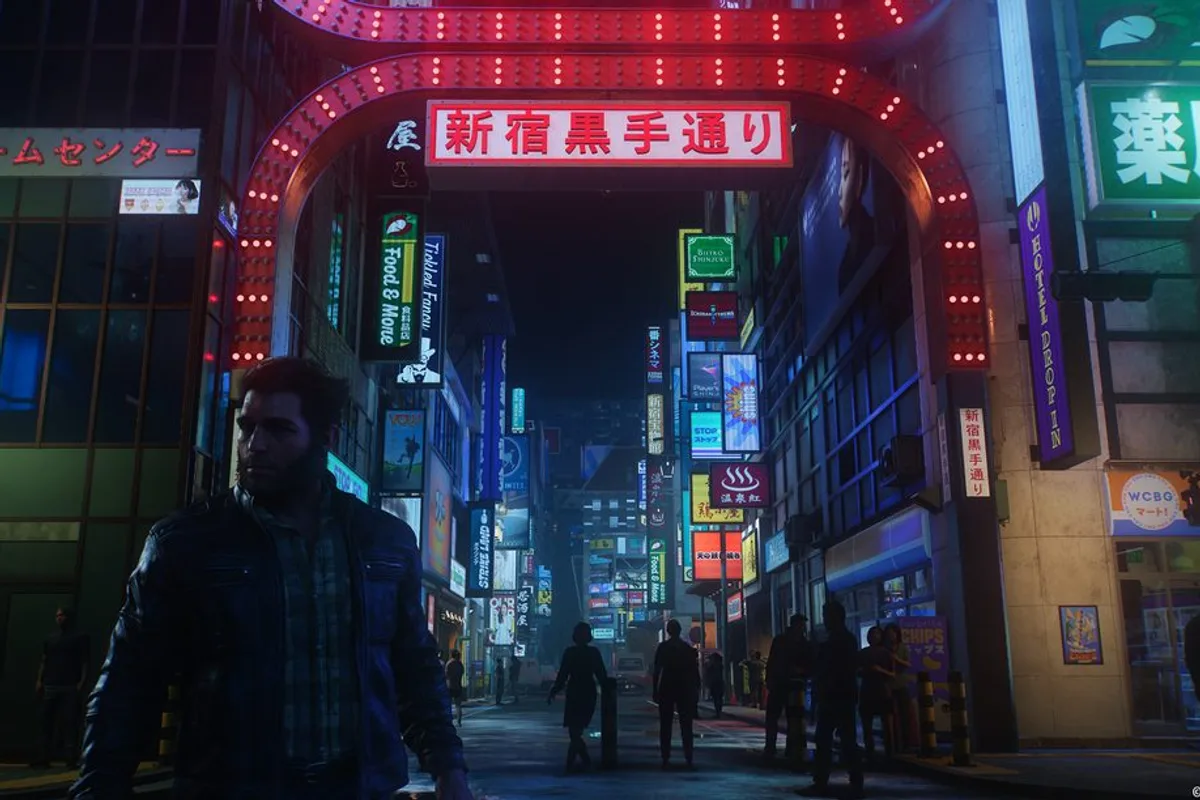
Sucker Punch highlights improved rendering of character and environmental details in Ghost of Yōtei. Complex scenery and detailed vegetation illustrate the challenges that temporal reconstruction systems are designed to address.

The studios' statements explain their goals and internal observations. They should not be mistaken for universal independent benchmarks.
QSSR and PSSR: Similar Goals, Different Hardware Budgets
The distinction between PS5 and PS5 Pro remains important. Sony explicitly identifies PSSR as its highest-quality reconstruction solution on the premium console.
QSSR targets a different compromise, designed around the capabilities of the original PS5. Both libraries belong to the same broad technology family, but they operate under different computational constraints.
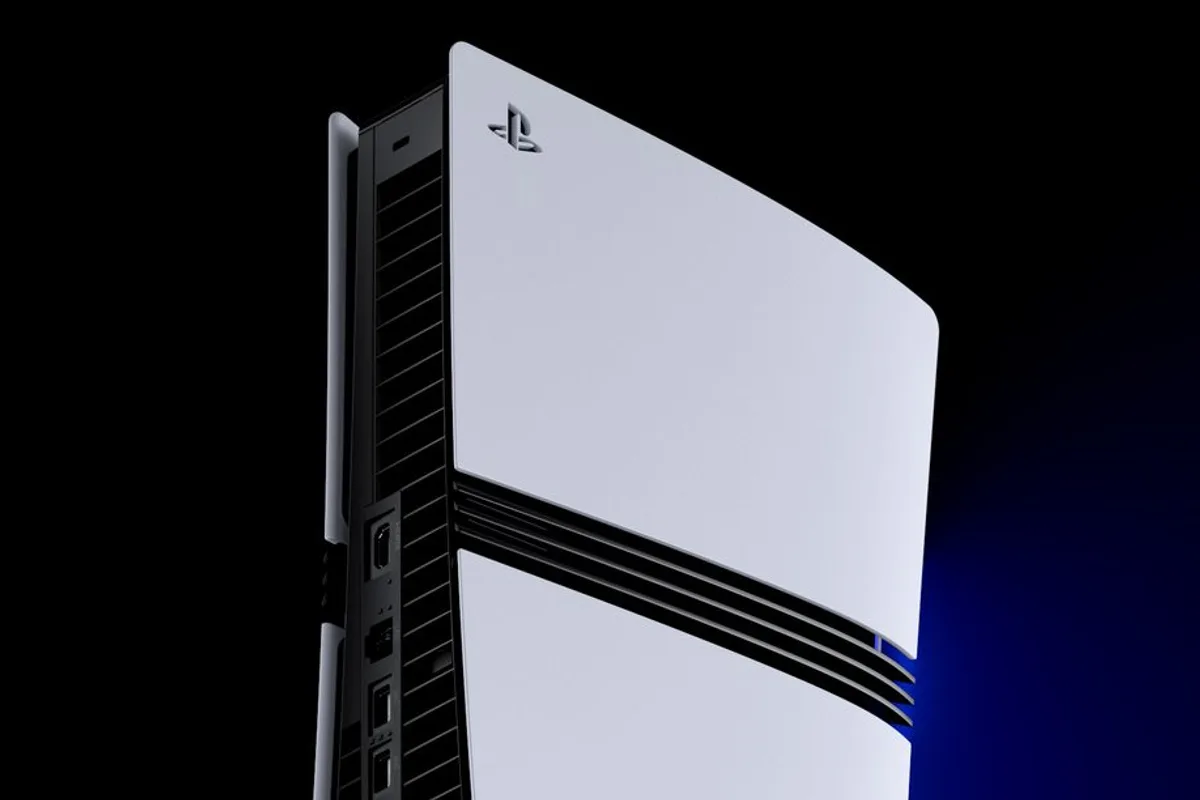
It would therefore be inaccurate to describe QSSR as an upgrade that erases the performance gap between the two systems. Their GPU resources, available processing capacity and architectural differences remain unchanged.
Image reconstruction also does not replace other rendering tasks. Game performance still depends on geometry, lighting, effects, memory management and simulation workloads.
An upscaling technique can improve perceived image quality at a given internal rendering resolution. It cannot guarantee a frame-rate improvement because reconstruction itself consumes computing resources.
Project Amethyst Connects Sony and AMD
QSSR was developed through Project Amethyst, Sony's collaboration with AMD on graphics technologies including machine-learning-based approaches.
In February 2026, Sony had already introduced a substantial upgrade to PSSR for PS5 Pro. Mark Cerny explained that this work emerged from the partnership with AMD and developments connected to FSR 4.
QSSR represents another application of that collaboration. It demonstrates how algorithmic improvements and careful optimization can benefit different hardware tiers, even when their specialized processing resources vary.
That does not establish that QSSR and AMD's PC upscaling implementations are identical. Sony describes a library specifically adapted to PlayStation 5 hardware.
No Guaranteed Performance Miracle
Sony's official announcement does not provide a universal comparison of QSSR against every existing upscaling method used by PS5 games.
Nor does it establish that QSSR consistently increases frame rates or produces the same output resolution across every supported game.
A meaningful technical evaluation needs to consider internal rendering resolution, reconstructed detail, image stability during movement and additional processing time. Results also need to be compared with the alternative graphics modes available in the same title.
Early technical reporting indicates visible improvements, particularly in Marvel's Wolverine, but their significance depends on the scenes and rendering modes examined. A strong result in one game does not automatically translate to every engine.
A Technology Intended for Broader Adoption
Sony plans to make QSSR broadly available to PlayStation developers. This could become the most significant long-term aspect of the announcement.
The library gives development teams another way to improve the visual presentation of games running on the standard PS5.
Its adoption still requires developer integration. Making a library available does not retroactively upgrade the entire catalog, and Sony has not announced a universal system-level activation mechanism for every game.
Marvel's Wolverine and Ghost of Yōtei are therefore initial implementations, not proof that every title in the generation will immediately receive the same treatment.
The significance of QSSR lies in Sony's ability to adapt some of its premium console's graphical advances to older hardware through a less demanding reconstruction method. PS5 Pro retains its hardware advantage, while the standard PS5 gains another opportunity for software-driven improvements. In a console generation where every millisecond of rendering time matters, that balance is more interesting than a simple promise of extra pixels.