
 By Kilam
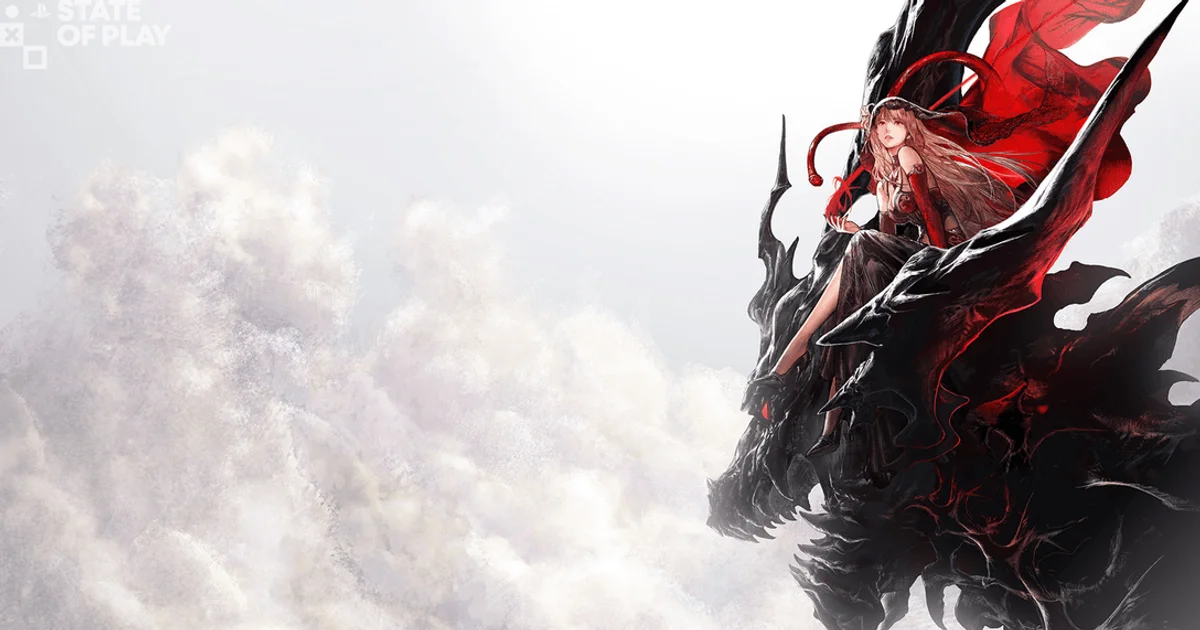
HD-2D is an artistic and rendering approach, not a promise of a particular output resolution. Final Fantasy Resonance uses pixel-based character designs alongside environments that rely on depth, lighting and modern visual effects.
That distinction becomes important when a game is released on devices with significantly different hardware capabilities. Square Enix has confirmed broad platform support, but the available announcements do not establish identical rendering configurations across every version.
A hybrid of pixel art and contemporary rendering
Resonance combines traditional character artwork with dimensional scenery. Lighting separates foreground and background elements, while camera movement and visual effects provide a cinematic presentation during exploration and combat.
The result is intended to evoke classic Final Fantasy without recreating the technical restrictions of the original hardware. The visual identity may be retro, but its rendering workload involves more than displaying simple two-dimensional sprites.
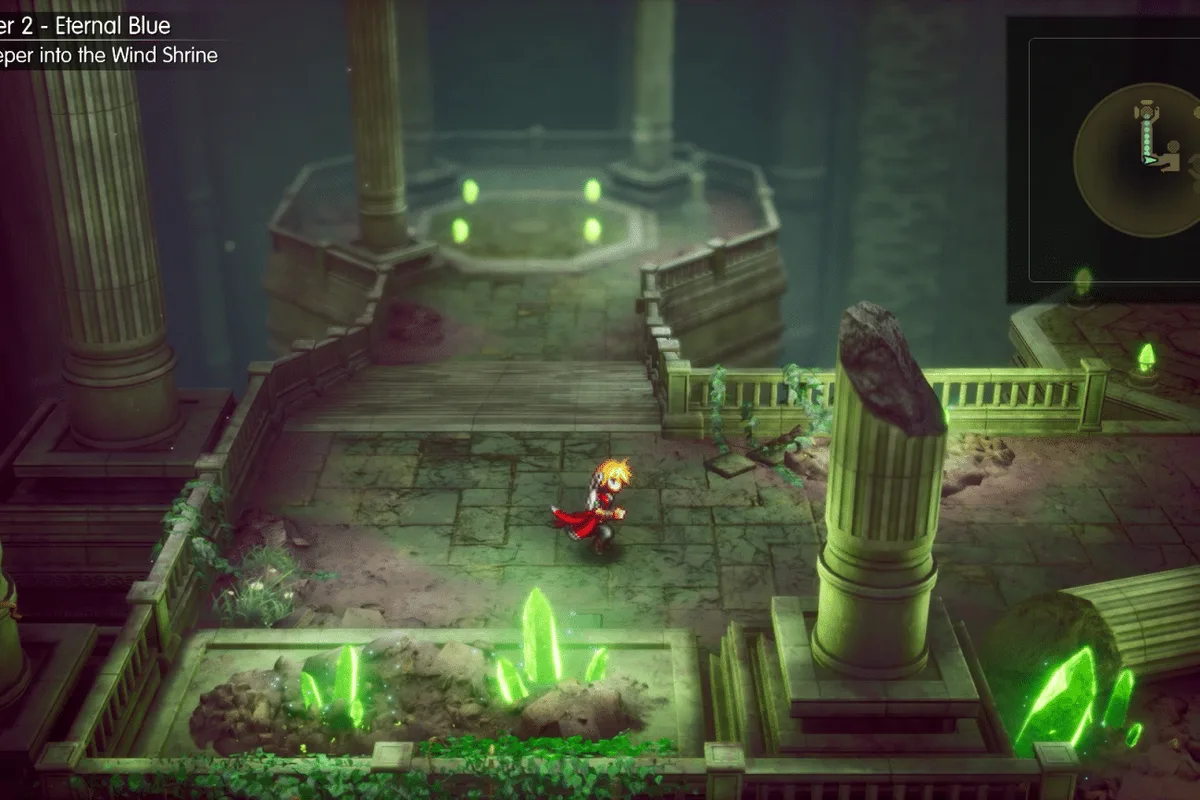
Effects such as particles, transparency, environmental lighting and image processing may contribute to the total workload. Their actual cost depends on implementation details that have not been comprehensively documented for each platform.
Battle readability remains essential
The turn-based combat system uses stagger gauges and spectacular finishing moves. Players can equip Visions inspired by 26 different legacy characters, providing additional abilities and statistical improvements.
These attacks introduce layered animations and strong visual effects. The interface must still communicate character status, available commands, enemy weaknesses and the results of each action clearly.
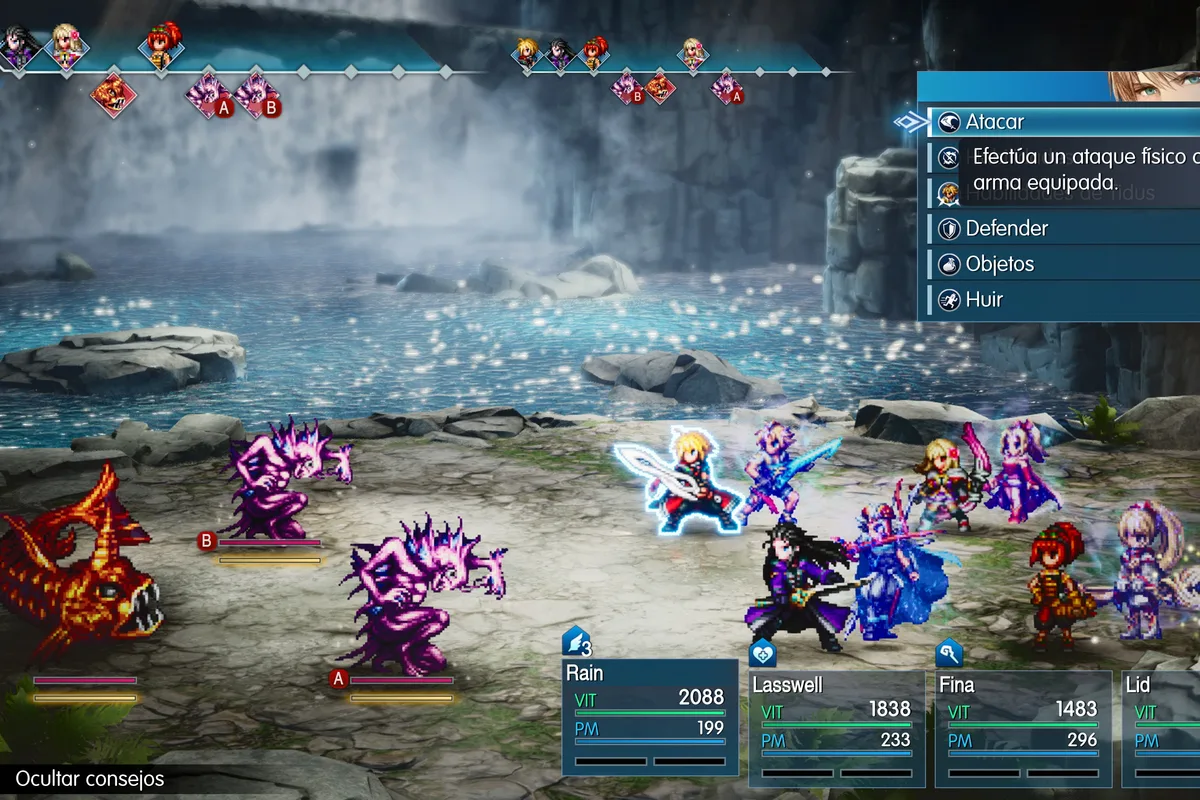
A visually impressive attack is only effective as gameplay feedback if important information remains understandable. This is especially relevant to a combat system built around exploiting weaknesses and preparing stagger opportunities.
The Switch generation gap
The official platform lineup includes both Nintendo Switch and Nintendo Switch 2, alongside PlayStation 5, Xbox Series X|S and PC.
Comparisons between the two Nintendo versions should focus on effective resolution, sprite clarity, lighting, shadow quality, effects density and frame pacing. A shared art direction does not necessarily require every platform to use the same rendering settings.
No specific upscaling method or universal framerate can be asserted from the available promotional information. Such details require documented specifications or carefully controlled performance measurements.
The demo offers an early visual reference
A free demo containing the first chapter is available across the announced platforms. Square Enix estimates three to five hours of content and confirms that save data can transfer to the full release.
Players can use the demo to examine the interface, environments and animation design. It should not automatically be considered representative of final-build performance, particularly if updates alter the game's behavior around launch.
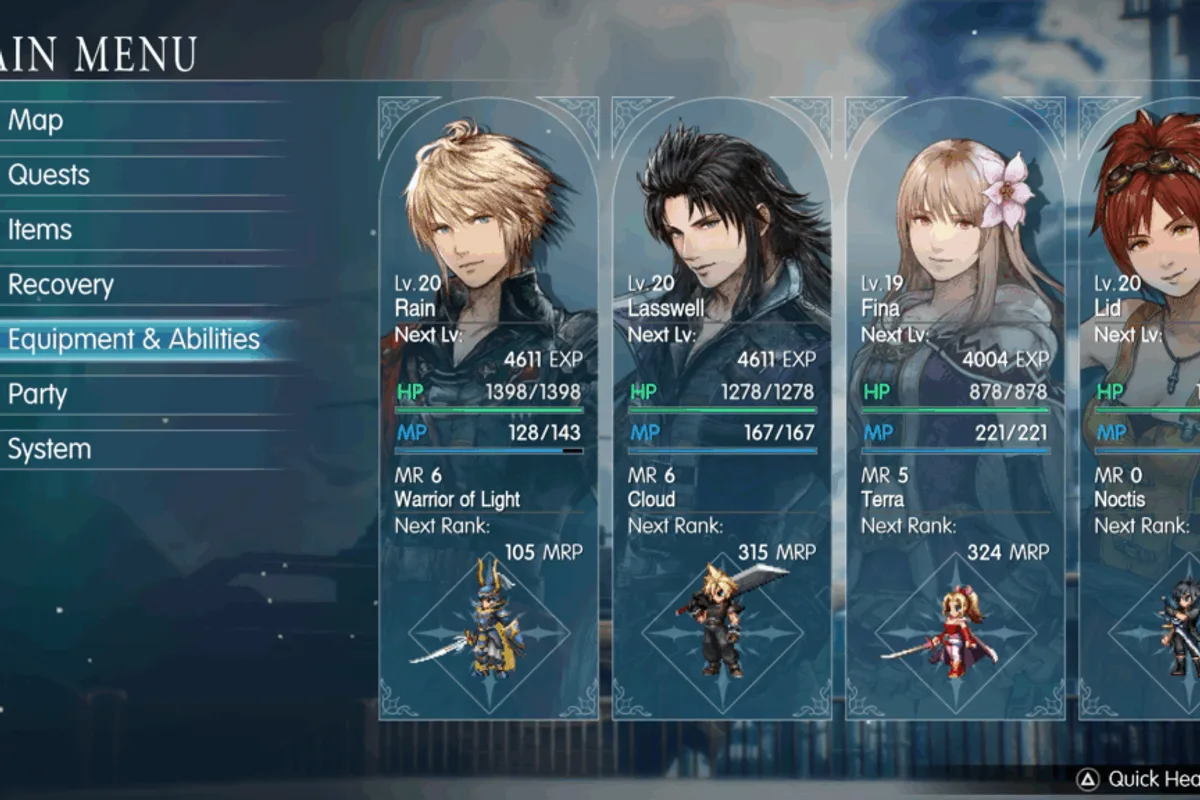
The October 20 PlayStation Blog feature concentrates on the Visions system rather than technical benchmarking. It provides a detailed explanation of character customization but does not resolve the outstanding platform-performance questions.
Final Fantasy Resonance is scheduled for October 22 on the announced consoles and PC storefronts, while Square Enix specifies October 23 for Steam in Japan. Meaningful technical comparisons will depend on the exact shipping versions and any accompanying updates.