
 By Tsuky
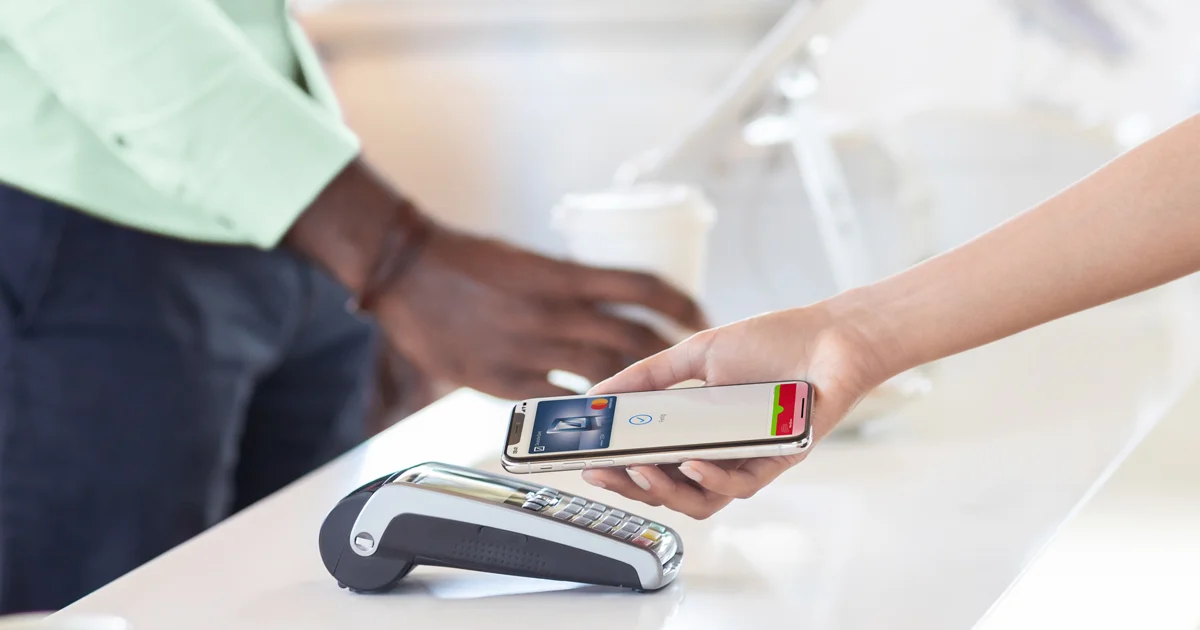
Apple already allows third-party developers to build certain contactless services on the iPhone. The British competition regulator's argument is that access alone is not enough when the conditions attached to it make competing products commercially unattractive.
The Competition and Markets Authority has launched a consultation on a proposed conduct requirement covering near field communication, or NFC, on Apple's mobile platform.
Its approach focuses on two related questions. Developers need technical access that supports the services they want to build, and the pricing must allow those services to operate as viable businesses.
The proposal follows Apple's designation as having Strategic Market Status in the UK's mobile platform market in October 2025.
A payment app needs more than permission to use NFC
NFC enables short-range communication between devices. It is widely used for contactless payments, public transport, digital access credentials and other services requiring a quick exchange of information.
On the iPhone, access to that functionality is governed by Apple's platform rules and associated commercial arrangements.
The CMA says businesses have raised concerns about high fees, restrictive conditions and differences between the technical interfaces supported in different jurisdictions.
Such differences create practical costs for companies operating internationally. A payment product designed around one implementation may require additional engineering and compliance work to operate elsewhere.
The regulator wants access offered on fair, reasonable, transparent and non-discriminatory terms.
It is not proposing to set a specific universal price. Instead, the CMA wants principles that should lead to substantially lower charges than Apple's current arrangements while still allowing the company to receive fair compensation.
Those lower fees remain an expected outcome of the proposals, not a reduction that has already taken effect.
Why supporting both SE and HCE matters
Two established technologies sit at the center of the consultation: Secure Element and Host Card Emulation.
Secure Element, or SE, uses a protected hardware environment to handle sensitive credentials and related operations. This can isolate important payment functionality from the general-purpose operating system.
Host Card Emulation, or HCE, provides an alternative architecture in which software emulates the behavior of a contactless card. Sensitive information can be managed through systems outside a dedicated on-device secure element.
Both approaches are used internationally. Their practical security depends on implementation details, authentication, key management, tokenization and the rules imposed by payment networks.
In the UK, Apple currently offers third-party access through its NFC and Secure Element platform. The CMA wants developers to have access to both SE and HCE.
That could make it easier for companies to reuse technology developed for other platforms or markets instead of maintaining a separate implementation specifically for British iPhones.
However, making an API available does not automatically eliminate integration, certification and operational costs.
Apple argues that its existing system better protects users
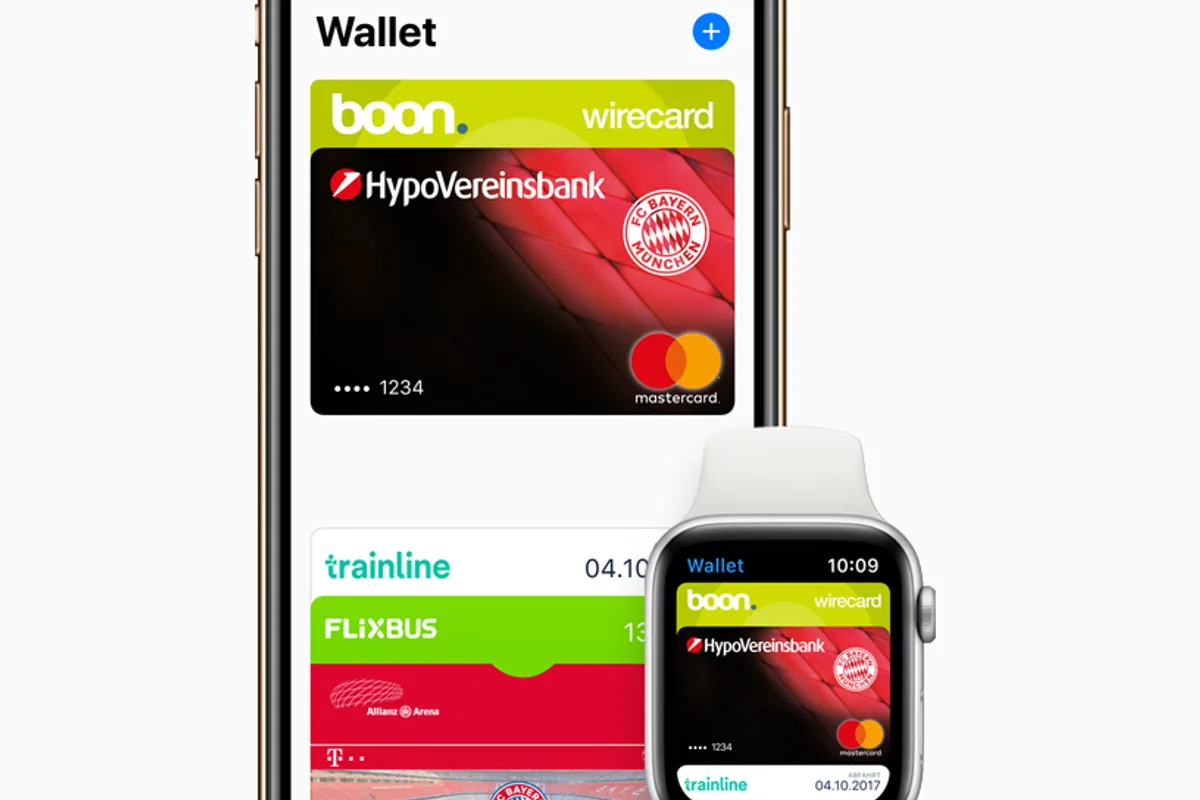
Apple has defended its current NFC and Secure Element platform, emphasizing its ability to support third-party contactless services while maintaining strong protection for sensitive information.
In comments reported by ITV News, the company said developers can already provide services covering payments, transit passes, digital car keys and event tickets.
Apple also warned against regulatory measures that it believes would lower privacy and security standards.
The CMA takes a different position. It says the evidence gathered during its work does not establish inherent security concerns with either of the two established technologies.
These arguments operate at different levels. The security of a technical standard is not identical to the security of every application implementing it.
A more open NFC environment would still require safeguards around authentication, payment credentials, developer permissions and access to sensitive information.
The consultation does not propose that applications should be allowed to bypass ordinary payment security requirements.
The EU has already created a different competitive environment
The European Union provides an important comparison. Apple made commitments in 2024 to enable third-party access to NFC payment functionality under revised competition arrangements.
The CMA notes that Vipps launched an alternative payment application in the EU within six months of the agreement. Other companies, including PayPal, Klarna, Curve and BBVA, subsequently introduced competing offerings.
The British regulator says no comparable rival wallet product has launched in the UK under the current arrangements.
This does not establish that NFC fees and restrictions are the only reason for the difference. Consumer preferences, banking partnerships and commercial strategies also affect whether new services reach the market.
It does demonstrate that competition can emerge when developers have access to a different set of technical and contractual conditions.
For providers already operating in the European market, consistent NFC support across jurisdictions could reduce some of the work involved in expanding to the UK.
Contactless transactions account for 39% of British payments
According to UK Finance figures cited by the CMA, the UK recorded 19.2 billion contactless payments in 2025, representing 39% of all payments.
A decade earlier, contactless transactions accounted for just 3%.
These totals include payments made with physical contactless cards as well as mobile devices. They should not be presented as an iPhone payment share.
The CMA also cites research by Which? suggesting that 62% of British adults use a digital wallet. Apple Wallet was the most popular option, with a reported adoption figure of 50%.
Those figures measure usage rather than transaction volume. A consumer can use multiple payment products, and digital wallets may hold tickets, passes or credentials beyond bank cards.
Even with those distinctions, the scale of contactless adoption explains why control over smartphone NFC functionality has become a major competitive issue.
Fintech competition could extend beyond card payments
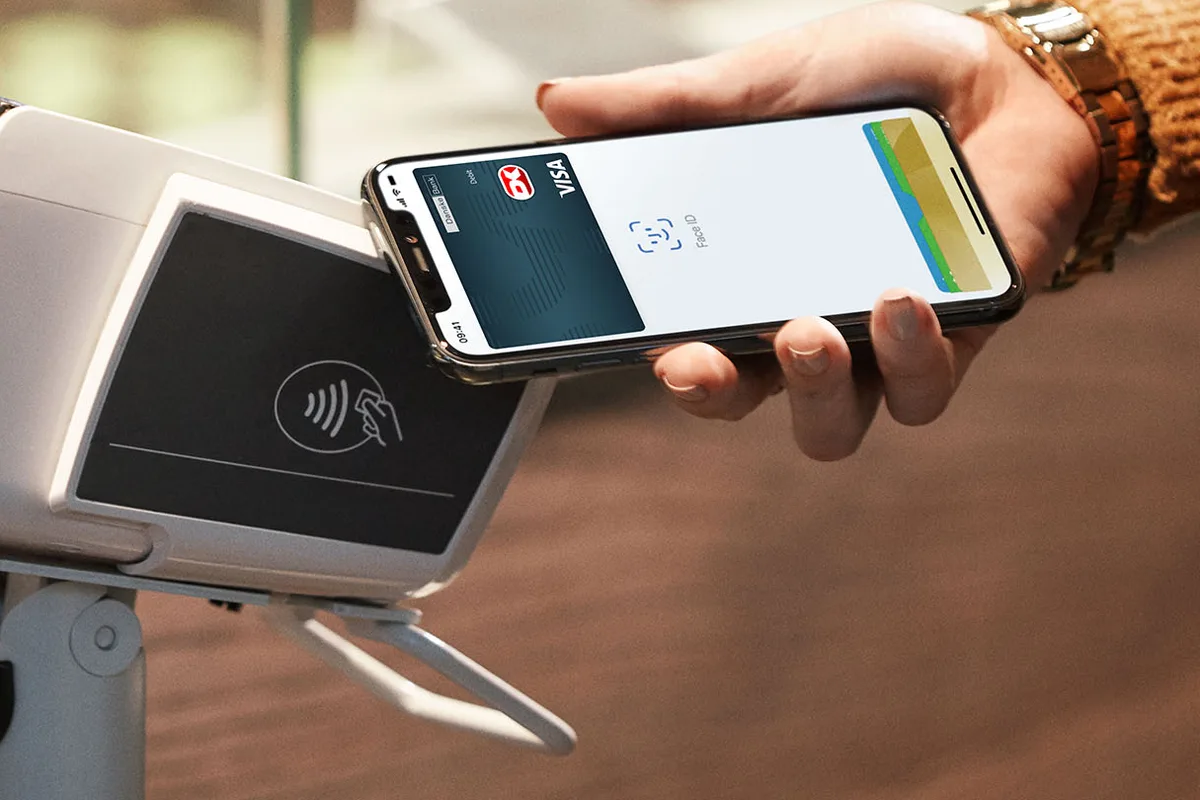
Financial technology companies including Revolut have supported efforts to make iPhone contactless access more competitive.
The potential applications go beyond creating another interface for the same bank card.
Alternative wallets could incorporate account-to-account transfers, loyalty programs or financial services designed around specific customer needs.
The CMA also sees an opportunity to expand open banking payments, allowing customers to authorize certain transactions directly from their bank accounts.
Such models could change how payment providers and banks compete. Whether they actually reduce consumer or merchant costs would depend on the pricing and technical architecture of each service.
An open interface does not guarantee a commercially successful product. Developers still need banking relationships, reliable infrastructure, certification and users willing to switch.
The regulator is also thinking about digital keys and identity
NFC can support a wider range of products than mobile payments. The CMA identifies digital identity services, age verification, transport passes, loyalty programs and electronic keys as areas where improved access could encourage innovation.
A transport provider might combine ticket purchase and access validation in its own application. A workplace security vendor might integrate digital credentials directly into an iPhone-based service.
These examples illustrate possible applications, not confirmed product launches resulting from the consultation.
The availability of compatible readers, security certifications and appropriate commercial arrangements would continue to determine which services could be deployed.
This wider scope matters because Apple Wallet is more than a payment interface. It increasingly acts as a place where users store credentials and access services throughout their daily routines.
What happens before the November 17 deadline
The consultation was launched under the Digital Markets, Competition and Consumers Act 2024.
It follows a June 2026 call for evidence concerning NFC access on iOS and the conditions faced by third-party developers.
The current proposals would address technical access methods and the commercial principles governing their use. They do not establish a final price schedule or a date when alternative wallet providers must begin offering services.
Interested parties have until Tuesday, November 17, 2026, to respond.
The CMA will then assess submissions before making a final decision. Apple is expected to continue defending its approach to privacy and security, while banks, fintech firms and other developers can present evidence about commercial and technical barriers.
Nothing in the consultation requires British iPhone owners to change their current Apple Pay configuration. Existing services remain available under the current arrangements.
The meaningful test will come if new rules are adopted: whether substantially different access conditions allow competing services to launch and operate sustainably.
As of October 20, the proposal is official, but the obligations, access charges and implementation timeline have not been finalized.