
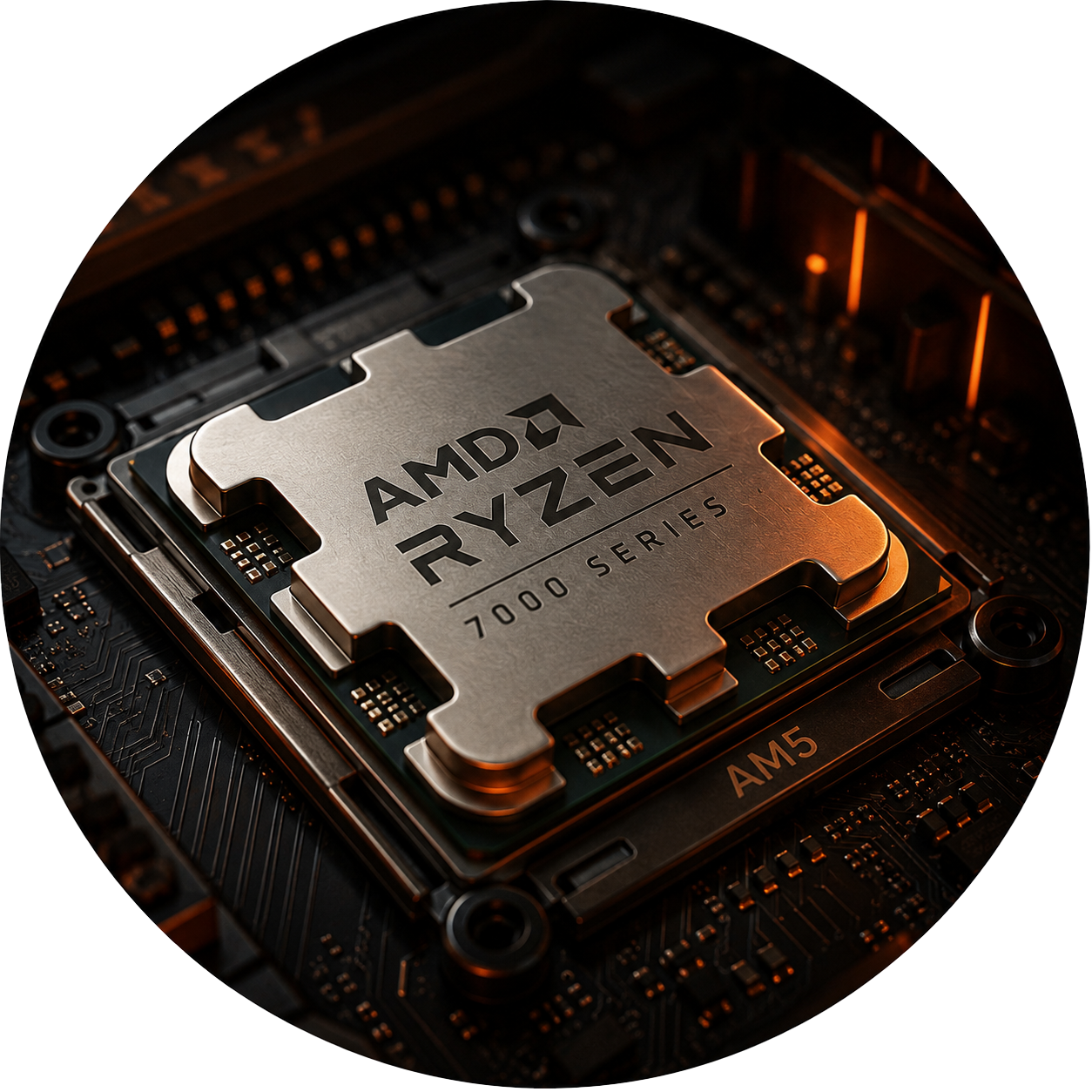
 By Adri
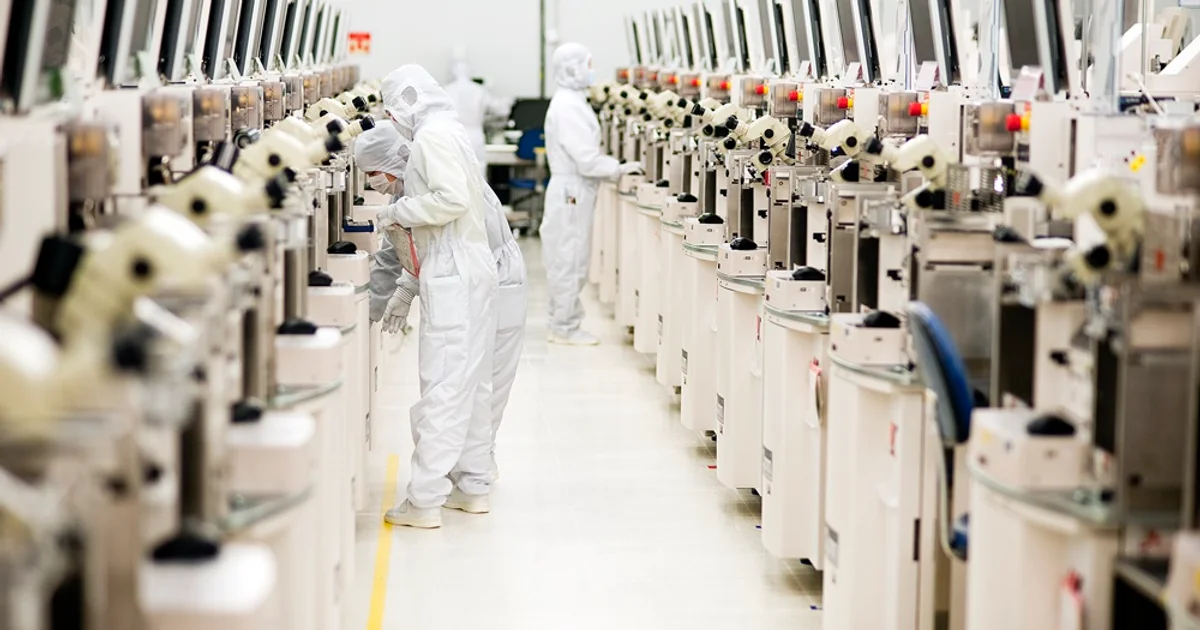
Almost one in every two dollars of South Korean exports came from semiconductors in October 2026.
The country shipped $56.44 billion worth of chips overseas during the month, compared with total exports of $115.28 billion.
Those figures were released by South Korea's Ministry of Trade, Industry and Resources on November 1 and corroborated by Reuters and Yonhap.
They provide striking evidence of the role memory and advanced computing hardware now play in the country's trade.
However, the figures require careful interpretation. Export values reflect prices as well as quantities, and the annual comparison was influenced by differences in working days.
Total exports rose 93.7% year over year
South Korean exports reached $115.28 billion in October.
That represents a 93.7% increase from the same month in 2025.
According to Reuters, it was the strongest year-over-year increase since January 1974.
The figure is exceptionally high even against the country's strong September performance.
September exports had already exceeded $120 billion, reflecting the scale of the industrial expansion.
It is important to distinguish the different types of record involved rather than treating every headline as an identical historical measure.
Semiconductors were the largest contributor to growth, but they were not the only sector to improve.
The ministry reported that exports excluding semiconductors increased by approximately 34%.
That indicates broader commercial strength alongside the particularly strong electronics sector.
Semiconductors accounted for nearly half of exports
Chip exports increased by 259.4% to $56.44 billion.
The amount was the second-highest monthly semiconductor export total on record, behind September 2026.
Semiconductors represented approximately 49% of all October exports.
That concentration highlights the importance of electronics manufacturing to the South Korean economy.
Samsung Electronics and SK hynix are among the country's most important semiconductor companies.
Their memory products are used across computing, servers and AI acceleration systems.
However, the national export figure is not equivalent to the combined revenue of those two businesses.
Trade statistics include multiple manufacturers and product categories.
They measure shipments crossing national borders rather than consolidated corporate earnings.
AI infrastructure is a major source of demand
Building modern AI data centers requires a wide range of hardware.
Accelerators perform intensive computation, but their effectiveness depends on memory, networking and supporting servers.
Major technology companies are investing in infrastructure for model training and inference services.
Those projects create demand across different semiconductor segments.
High-bandwidth memory, or HBM, is one of the most important examples.
It is designed to move large volumes of data quickly enough to support selected advanced accelerators.
Without adequate memory bandwidth, processors cannot always sustain their theoretical computational performance.
The South Korean ministry identified continued investment in AI infrastructure as a major contributor to semiconductor demand.
That does not mean every exported chip will ultimately be installed in an AI server.
Other computing and electronics markets remain part of the trade figures.
Higher prices contributed alongside shipment volumes
Export values combine the quantity of goods sold with their commercial prices.
The official report and Reuters coverage point to strong shipment volumes and elevated semiconductor prices.
Together, those factors can produce extremely high annual growth rates in export revenue.
A 259.4% increase in export value does not necessarily mean physical chip output increased by the same percentage.
The mix of products also matters.
High-end memory used in advanced computing systems has different specifications and commercial value from many consumer memory components.
Changes in that product mix can affect total export revenue.
A complete analysis of production growth would require separate information about physical units, prices, manufacturing capacity and yields.
Computer exports surged on demand for AI servers
The report included another remarkable result outside the semiconductor category.
Computer exports increased by 496.6% year over year, according to Reuters.
The ministry linked the expansion partly to demand for servers supporting AI services.
This statistic should not be interpreted as an equivalent increase in worldwide personal computer sales.
The export category includes equipment serving infrastructure and enterprise markets.
Those markets can experience rapid investment cycles even when consumer hardware demand is less dynamic.
The figures therefore point to an infrastructure-led expansion rather than a uniform boom across every computing device.
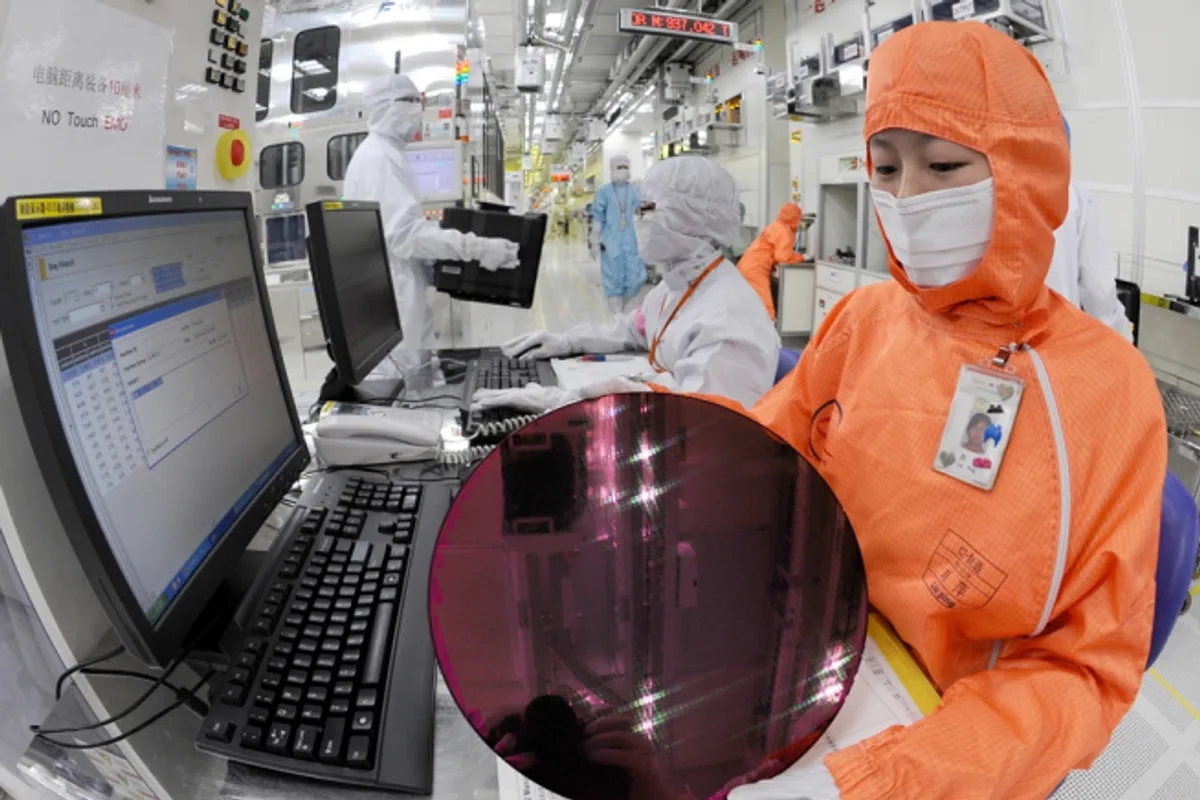
Chuseok made the annual comparison more favorable
Calendar effects played a significant role in October's reported growth.
Chuseok, one of South Korea's major holidays, falls on different dates from year to year.
The timing resulted in more working days during October 2026 than during October 2025.
Companies therefore had more opportunities to manufacture and ship goods during the comparison month.
That contributed to the unusually high annual increase.
However, the expansion cannot be explained by calendar differences alone.
The government reported that average daily exports, adjusted for working days, increased by 76%.
Daily export value reached approximately $5.24 billion.
That remains an exceptionally strong result even after accounting for the calendar.
The adjustment confirms that underlying demand was also substantial.
Exports to China and the United States rose sharply
South Korean exports expanded across several major destinations.
Shipments to China increased by 133.6%, reaching approximately $26.98 billion.
Exports to the United States rose by 185.8% to around $24.9 billion.
Exports to the European Union increased by 56.4%, while those to ASEAN markets grew by approximately 128%.
The expansion was therefore not dependent on a single destination.
China remains important to international electronics manufacturing and assembly.
The United States is home to several of the world's largest investors in AI infrastructure.
Southeast Asian markets also participate in electronics manufacturing and technology supply chains.
However, a chip's export destination is not always the location where it will ultimately be used.
Components may be shipped to assembly facilities and later incorporated into products sold elsewhere.
Imports also increased
South Korea imported $72.78 billion worth of goods in October.
That represents a 36% annual increase.
Higher energy costs contributed to the expansion.
The ministry also reported growth in purchases of semiconductor manufacturing equipment.
Imports of that equipment reached approximately $2.52 billion, up 49.2% year over year.
That provides another indication of ongoing industrial investment.
However, buying manufacturing equipment does not mean the related capacity immediately becomes operational.
Installation, qualification and production preparation can take considerable time.
Capital expenditure and usable manufacturing capacity should therefore be treated as separate measures.
The country recorded a $42.5 billion trade surplus
Exports significantly exceeded imports during the month.
South Korea recorded a trade surplus of $42.5 billion.
That was below September's record surplus of approximately $49.97 billion.
Nevertheless, it remained an exceptionally large positive balance.
October marked the second consecutive month with a surplus exceeding $40 billion.
The simultaneous increase in imports reflects the materials and equipment required by the country's industrial base.
Advanced semiconductor production depends on globally distributed suppliers of machinery, chemicals and specialized components.
The country's trade performance therefore demonstrates both its manufacturing strength and its integration into international supply chains.
Annual exports are approaching $1 trillion
Exports totaled approximately $930 billion between January and October 2026.
The government expects the country to pass $1 trillion in annual exports during November.
Trade Minister Kim Jung-kwan described that milestone as increasingly certain given the current pace.
However, the statement is a forecast made at the time of the October release.
The $1 trillion threshold had not yet been reached in the published year-to-date figures.
Reuters noted that reaching the milestone would place South Korea among a small group of countries that have achieved annual exports of that scale, alongside the United States, China and Germany.
The projection illustrates how rapidly the country's trade has expanded.
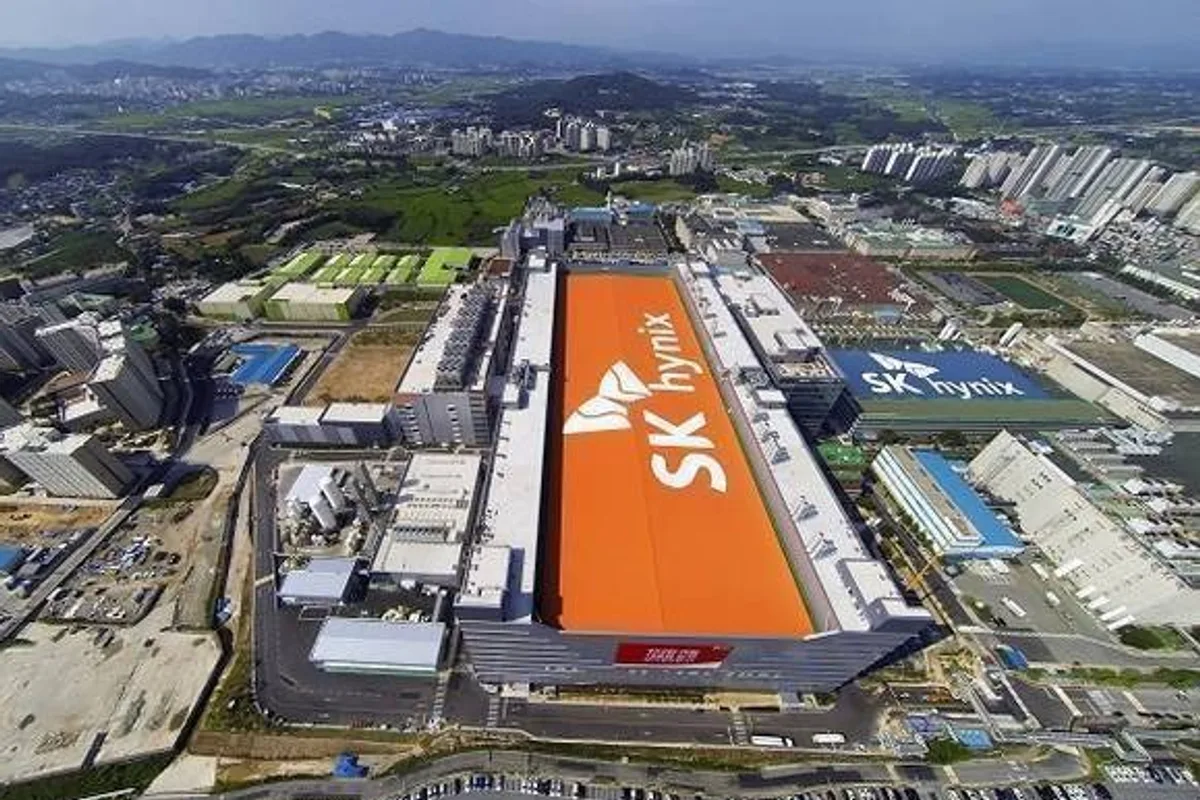
Samsung and SK hynix benefit from the cycle
The trade figures coincide with favorable market conditions for South Korea's largest memory manufacturers.
Samsung Electronics and SK hynix have reported strong performances supported by demand for advanced computing components.
Both companies play important roles in DRAM and HBM supply.
However, manufacturing requirements vary significantly between product categories.
HBM uses advanced stacking and packaging processes.
Conventional memory for PCs and servers follows other specifications and production priorities.
Availability in one category does not automatically guarantee equivalent capacity in another.
The national export statistics also cannot establish each manufacturer's precise margins, market share or new order volume.
Those questions require company-specific financial reporting and industrial disclosures.
The boom could influence PC memory markets
Demand from AI data centers influences how memory manufacturers allocate investment.
When advanced computing products command strong demand, suppliers may prioritize selected production processes and facilities.
Those decisions can affect the broader economics of memory manufacturing.
Consumer PC memory is not interchangeable with the HBM installed alongside AI accelerators.
However, different product lines share parts of the same industrial ecosystem.
Investment priorities can therefore influence production schedules and component pricing over time.
Still, October's export statistics do not support a precise forecast for retail RAM prices.
Consumer prices depend on inventories, contracts, distribution and regional demand as well as manufacturing decisions.
The figures demonstrate strong industrial demand, not a guaranteed price increase for every PC component.
Semiconductor dependence creates economic risks
The semiconductor industry's strength provides South Korea with an important competitive advantage.
It also creates concentration risk.
When one product category accounts for nearly half of monthly exports, a downturn in that sector can have major economic consequences.
Semiconductors have historically experienced cycles of investment, inventories and changing production capacity.
Strong demand can raise prices and encourage manufacturers to expand.
New capacity may eventually change the balance between supply and demand.
The current expansion should therefore not be interpreted as a guarantee that similar growth rates will continue indefinitely.
The ministry also warned that trade-policy uncertainty and geopolitical developments continue to create difficulties for some businesses.
Strong technology exports do not imply identical conditions throughout the South Korean economy.
The next question is whether the growth will last
October's figures provide compelling evidence that AI investment is reshaping global hardware demand.
Semiconductors and servers are contributing to South Korean export growth on an extraordinary scale.
The 259.4% annual increase in chip exports is particularly striking.
However, it cannot by itself predict the industry's performance in 2027.
Future reports will need to distinguish sustained demand from changes in selling prices and favorable calendar comparisons.
Manufacturing expansion, cloud infrastructure spending and the composition of exported products will also matter.
For now, the conclusion is clear: artificial intelligence is not only transforming software.
It is also changing international trade flows and the economic importance of advanced computing hardware.
South Korea's October 2026 export report provides one of the strongest examples of that transformation.